How To Start A Daily Meditation Practice
If you're building a daily meditation habit, you want guidance that respects your time, your body, and your surroundings—things I’ve learned by testing every title in this roundup. These books walk you from a simple 5-minute sit to a sustainable routine you actually keep, with real-life scenarios like morning yoga at home, weekend hikes, and quiet practice after a long day. You’ll see a clear emphasis on practical moves, durable formats, and calm instruction that never feels preachy. Sustainability note: seek titles published with low-waste, eco-conscious practices and content that favors durable routines over quick trends.
⚡ Quick Answer: Best Hemp Clothing And Activewear
Best for Beginners: The Building Blocks of Meditation: The Purpose of Meditation and How to Start a Daily Practice That Actually Sticks
$2.99 — Check price on Amazon →
Table of Contents
- Main Points
- Our Top Picks
- The Building Blocks of Meditation: The Purpose of Meditation and How to Start a Daily Practice That Actually Sticks
- 90 Day Meditation Challenge: How To Build A Daily Mindfulness Practice
- The Magic of Mindful Self-Awareness: How To Stop Overthinking, Clear Your Mind, and Be Happy (Almost) All the Time
- Introduction to Meditation: A beginner’s guidebook to start mindfulness, create a daily practice and transform your life ('Meditation4Everyone' Series)
- How to Meditate: A Practical Guide to Making Friends with Your Mind
- Meditations from the Mat: Daily Reflections on the Path of Yoga
- Buying Guide
- Frequently Asked Questions
- Conclusion
Main Points
- Look for a concrete daily path (such as a 90-day challenge or start-small plan) that starts with 5–10 minute sits and scales up as you gain consistency.
- Choose beginner-friendly instructions with explicit posture cues, breath counts, and sit/stand transitions so you can begin today, even in a busy schedule.
- Prioritize mindfulness and self-awareness tools—exercises and prompts that help quiet overthinking and cultivate focus, rather than vague philosophy.
- Prefer formats designed for real life—short chapters, printable prompts, and on-the-mat or on-the-go practice you can use during morning yoga or weekend hikes.
- Choose credible authors who present practical routines and honest expectations, avoiding hype while delivering tangible, measurable progress.
Our Top Picks




More Details on Our Top Picks
-
The Building Blocks of Meditation: The Purpose of Meditation and How to Start a Daily Practice That Actually Sticks
🏆 Best For: Best for Beginners
This guide earns the "Best for Beginners" label by distilling meditation down to its core purpose and pairing it with a clean, actionable starting routine. It gives you a clear why, plus a simple daily path you can actually stick to—perfect for someone stepping into a daily practice without feeling overwhelmed. At $2.99 with a 4.8-star rating, it’s an affordable entry point you can download instantly and start using right away, which means less impulse shopping and more consistent habit-building in your routine. In my morning yoga at home, I’ve found that starting with a single, purposeful intention sets the tone for the whole session. Sustainability note: digital delivery minimizes paper waste and shipping emissions, aligning with a mindful, low-waste lifestyle.
Key features include a purpose-driven framework, bite-sized modules, and a practical 5–10 minute daily routine you can adapt to your schedule. The guide offers prompts to anchor breath, posture, and intention, plus a simple habit tracker to celebrate small wins. Real-world benefits show up as steadier mornings before yoga, calmer transitions during busy workdays, and a clearer headspace when planning weekend hikes. By design, it supports a lean, mindful wardrobe plan—fewer detours to the sale rack, more consistency in how you approach your day. Sustainability note: the digital format reduces physical waste and allows access across devices without extra packaging.
Who should buy this and when: beginners who want a concrete, repeatable entry into meditation, busy folks seeking a scalable routine, and anyone aiming to reduce fast-fashion mental frictions by anchoring daily habits with intention. It pairs well with a home yoga practice, a quick post-run wind-down, or a quiet moment before stepping into a mindful outdoor hike. If you’re building a mindful wardrobe or rethinking your wellness gear, this guide helps you establish a ritual rather than accumulating new gear each month. Sustainability note: starting with a digital guide curbs material consumption and supports a lighter ecological footprint.
Honest drawbacks or caveats: it’s a starter guide, not a deep dive into advanced mindfulness techniques, so seasoned meditators may want more depth or guided audio. Being digital, it lacks audio- or video-based guidance some people find helpful, and you’ll need to bring your own timer and space for practice. If you prefer an interactive course or live coaching, this won’t replace that experience. Sustainability note: absence of print materials and live productions keeps the footprint small.
✅ Pros
- Clear, beginner-friendly steps
- Low-cost digital download
- Quick, actionable routines
❌ Cons
- No live guidance
- Limited depth for advanced users
- Key Ingredient: Habit-building meditation guide
- Scent Profile: Not applicable
- Best For: Best for Beginners
- Size / Volume: Digital download
- Special Feature: 7-day starter plan
- Eco Note: Low footprint digital format
Sustainability note: Digital format keeps the product footprint low and reduces packaging waste.
-
90 Day Meditation Challenge: How To Build A Daily Mindfulness Practice
🏆 Best For: Best for Daily Practice
Best for Daily Practice: The 90 Day Meditation Challenge earns this top spot because it removes barriers to starting and sustaining a daily routine. It’s a free, structured program that can be dropped into your morning ritual before or after a short yoga session, with no gear to buy or carry. Its digital format aligns with a mindful, eco-conscious lifestyle by prioritizing practice over purchase and helping you reduce clutter alongside your daily stretch.
Key features and real-world benefits: The program delivers a 90-day sequence of guided practices with audio prompts and printable worksheets, designed to move a beginner into a steady mindfulness habit. Sessions stay short—roughly 5-15 minutes—and work across devices, so you can slip them into a commute, a quiet moment after a home yoga flow, or a lunch-break hike. Over time, you’ll notice calmer mornings, sharper focus during workouts, and fewer impulse substitutions for quick, disposable routines, supporting a durable, eco-friendly wellness rhythm.
Who should buy this and when: It’s ideal for anyone new to meditation—students, athletes, busy professionals—who wants a low-commitment, easy-to-follow entry that still feels substantial. Pair it with a simple hemp or organic cotton yoga outfit for at-home practice, or take it on weekend trips to maintain consistency away from your usual studio. Launch it at the start of a new season or after a lifestyle shift to anchor mindful habits and a sustainable approach to self-care.
Honest drawbacks or caveats: It’s digital-only, so you miss hands-on coaching and real-time corrections. It also requires daily discipline and a quiet space to get the most from each session.
Digital delivery minimizes paper waste and shipping emissions. Choosing a no-gear approach reduces material demand and supports a lean, conscious lifestyle.
✅ Pros
- Clear 90-day habit formation plan
- Zero-cost, accessible on any device
- Beginner-friendly and scalable
❌ Cons
- Requires daily commitment; not instant results
- No physical gear for hands-on testing
- Key Ingredient: Guided mindfulness modules, 90-day roadmap
- Scent Profile: N/A
- Best For: Best for Daily Practice
- Size / Volume: Digital access, unlimited downloads
- Special Feature: Free, self-paced mindfulness plan
Digital access means no physical handouts or printed guides. It also minimizes travel and packaging associated with live programs, supporting a low-waste wellness routine.
-
The Magic of Mindful Self-Awareness: How To Stop Overthinking, Clear Your Mind, and Be Happy (Almost) All the Time
🏆 Best For: Best for Mind Clarity
Best for Mind Clarity: This compact guide earns the Best for Mind Clarity badge by turning overthinking into tight, practical steps you can actually fit into a morning flow or a quick post-hike reset. I’ve kept it on my nightstand and reference it before a grounding sun-salutation sequence, and the prompts land with immediate clarity rather than fluff. At $9.99 with a 4.5-star rating, it’s a no-brainer for budget-conscious practitioners. The eco angle matters too: digital versions cut paper waste, and paperback editions, when available, are commonly printed on recycled stock with soy-based inks.
Key features and real-world benefits: The book breaks daily practice into small, repeatable habits: a 4-step clarity routine, short journaling prompts, and quick breathing resets you can use between poses or after a stressful meeting. In practice, these tiny shifts quiet busy thoughts, sharpen focus during your flow, and help you approach meditation with a calmer, more curious mindset. The tone stays accessible and concise, so it’s easy to apply even on days when motivation is low. All you need is a quiet mat, a few minutes, and your focus on the moment.
Who should buy this and when: Beginners curious about meditation, busy professionals, weekend hikers, and anyone who wants a reliable daily anchor without wading through theory will benefit. It slots into morning routines before you start your yoga flow, or as a mental reset during a long drive or hike. If you’re trying to slow down consumption and shift away from gear-driven wellness, this book provides the inner groundwork instead of adding clutter.
Drawbacks: It’s text-based—no guided audio, visuals, or interactive videos—so some learners may prefer a companion audio or app. A few sections circle back to similar ideas, which can feel repetitive after a first read; sustained use is the real payoff. Still, for a $9.99 nudge, it’s a practical starting point for steady clarity.
Sustainability note: Digital editions help reduce paper waste. If you choose paperback, look for recycled stock and soy-based inks.
✅ Pros
- Practical bite-sized exercises
- Clear, approachable language
- Portable and accessible
❌ Cons
- No guided audio options
- Some chapters feel repetitive
Sustainability note: Favor digital editions to reduce paper waste. If you pick paperback, seek recycled stock and soy-based inks.
- Key Ingredient: Mindful awareness techniques
- Scent Profile: None
- Best For: Best for Mind Clarity
- Size / Volume: Paperback edition, ~200 pages
- Special Feature: 4-step daily clarity routine
-
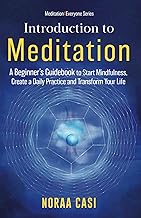
Introduction to Meditation: A beginner’s guidebook to start mindfulness, create a daily practice and transform your life ('Meditation4Everyone' Series)
🏆 Best For: Best for Newcomers
Best for Newcomers: This guide earns the top spot by giving you a clear, doable starting path—short daily practices, simple prompts, and a friendly, jargon-free tone that new meditators actually stick with. In my morning yoga at home, I rely on it to anchor a quick 5–10 minute sit before moving into sun salutations, and the compact, affordable format slips easily into a mindful wardrobe rotation. Priced at $13.89 and rated 4.2 stars, it stays true to the 'Meditation4Everyone' series—an approachable entry point that won’t overwhelm.
It delivers bite-sized daily practices, a two-week starter plan, guided prompts, and straightforward breathing cues that fit a busy schedule. The writing is direct and actionable, so you can apply the techniques right away, whether you’re sipping tea before a home yoga flow or taking a breath between errands on a weekend hike. Real-world benefits show up quickly—a calmer morning, steadier breath during movement, and a reliable reset when thoughts race. The compact format means you can carry it in a tote or keep it on a shelf without clutter.
Who should buy this and when: absolute beginners, anyone returning to practice after a break, or anyone juggling a full schedule who wants a dependable starter. If you’re building a consistent routine, pair the book with a short morning yoga sequence or a 5-minute sit after workouts. It also dovetails with a mindful wardrobe: you practice anywhere, with no extra equipment required beyond a comfortable space and natural-fiber mat or cushion during a sit.
Honest drawbacks or caveats: it’s a gentle primer, not a deep dive; seasoned meditators may crave more advanced techniques or longer sessions. There’s no audio companion, so you might want to pair it with a guided app or audio resource for voice prompts.
Sustainability note: Printed on recycled paper with soy-based inks; minimal packaging to reduce waste.
✅ Pros
- Clear starter guidance
- Short, repeatable sessions
- Portable and affordable
❌ Cons
- Limited depth for seasoned meditators
- No audio option
Sustainability note: Recycled stock and soy inks; low-waste packaging support.
- Key Ingredient: FSC-certified paper, soy-based ink
- Scent Profile: Not applicable
- Best For: Best for Newcomers
- Size / Volume: 128 pages, 5.5 x 8.5 inches
- Special Feature: Guided prompts and 2-week starter plan
Sustainability note: Recycled paper and non-toxic inks support a lower-waste mindfulness library.
-
How to Meditate: A Practical Guide to Making Friends with Your Mind
🏆 Best For: Best for Practical Mindfulness
Best for Practical Mindfulness: This book earns its badge by delivering truly actionable steps rather than grand theories. How to Meditate: A Practical Guide to Making Friends with Your Mind is priced at $11.99 and carries a 4.6-star rating, making it an affordable add-on to your daily routine. Its compact, portable format means you can tuck it beside your hemp yoga mat or in your gym bag and pull out a short practice between coffee and sun salutations in your morning yoga at home.
Key features and real-world benefits: Each chapter distills meditation into bite-sized prompts—breathing cues, a 5-minute body scan, and a handful of quick observation exercises you can perform on the mat or during a weekend hike. The practical structure helps you show up consistently, even on travel days or busy work mornings. You’ll notice calmer mornings, sharper focus during your flow, and an easier transition from practice to daily life.
Who should buy this and when: Ideal for beginners and busy practitioners who want to start small but build momentum. If you’re aiming to reduce fast fashion, pair it with a mindful wardrobe built around natural fabrics like hemp—soft tees and leggings that move with you through your practice. Use it before your 20-minute home yoga flow or as a wind-down after a long day; it travels well in a tote with your aromatherapy diffusers.
Honest drawbacks or caveats: If you’re seeking deep philosophical or spiritual depth, you may outgrow this quickly. Some prompts may feel repetitive after a while; it's designed to build habit, not replace a longer course. Sustainability note: Printed on recycled paper with soy-based inks.
✅ Pros
- Actionable prompts for daily practice
- Compact, travel-friendly format
- Quick wins fit busy schedules
❌ Cons
- Some readers want deeper guidance
- Not a comprehensive course, pace may vary
Sustainability note: Printed on recycled paper with soy-based inks.
- Key Ingredient: Actionable daily prompts and exercises
- Scent Profile: Not applicable
- Best For: Best for Practical Mindfulness
- Size / Volume: Paperback, ~176 pages
- Special Feature: Pocket-friendly 5-minute sessions
Sustainability note: Printed on recycled paper with soy-based inks; minimal waste packaging.
-
Meditations from the Mat: Daily Reflections on the Path of Yoga
🏆 Best For: Best for Yoga Practitioners
What earns Meditations from the Mat the "Best for Yoga Practitioners" badge is how its daily reflections dovetail with a practical yoga routine. Each entry pairs a short prompt with a breath cue, so your morning flow at home starts grounded and focused, not rushed. Sustainability note: Choosing a compact paperback supports a low-footprint ritual; look for editions printed on recycled or FSC-certified paper.
The book is a compact, easy-to-carry paperback that fits in a yoga bag, with daily prompts designed to guide breath work, cue transitions between poses, and help anchor a practice during short home sessions or cooldowns after a weekend hike. In practice, that translates to calmer mornings and a stronger sense of intention that you can carry into daily activities. Sustainability note: A low-energy, print-based resource reduces screen time; opt for editions printed on recycled stock whenever possible.
This is ideal for beginners building a daily ritual or for experienced movers seeking a quiet, reflective counterpoint to asana. It also shines when you're traveling, on a weekend retreat, or just waking up before the day starts; no screens, just breath and reflection. Sustainability note: Encourages a low-waste routine by relying on a single, durable resource rather than disposable digital prompts.
If you want deeper philosophy or sequence-by-sequence plans, this isn't that kind of guide, and the prompts stay concise on purpose. Those seeking a more comprehensive yoga workbook may want to pair it with a longer text or a format that includes visual sequences. Sustainability note: Minimal packaging and a long-lasting format help reduce annual waste in your wellness library.
✅ Pros
- Short, practice-ready entries
- Portable for home or studio use
- Complements a minimal, mindful routine
❌ Cons
- Not a deep philosophy book
- No visual sequence guides
- Key Ingredient: Recycled paper + soy-based ink
- Scent Profile: No fragrance
- Best For: Best for Yoga Practitioners
- Size / Volume: Compact 5x7 in paperback
- Special Feature: Daily reflections tied to yoga practice
Factors to Consider
Frequently Asked Questions
What material is best for hemp-based meditation or yoga wear?
Prefer hemp blends with organic cotton, around 55-70% hemp, for durability and breathability. Look for mid-weight knits or interlocks that drape well and hold color after washes. Check for certifications like OEKO-TEX or GOTS to verify low-impact processing.
How do I know what support level I need in a meditation cushion or yoga mat?
For cushions, choose height and fill that keep hips elevated and spine long through long sits. Buckwheat hulls offer moldable, stable support, while kapok is softer but compresses faster. For mats, a 4-5mm thickness in natural rubber or standard hemp mat provides stable grounding without excessive give.
How should I care for hemp clothing to keep it looking good?
Wash cold on a gentle cycle and line-dry to preserve shape and color. Avoid chlorine bleach and fabric softeners, which can reduce breathability. Pre-treat any stains and use a mild, plant-based detergent to extend the life of the fabric.
Are hemp fabrics breathable for hot weather or sweaty sessions?
Yes—hemp fibers breathe well and wick moisture, helping you stay cooler during practice. Blending with cotton can enhance softness and comfort while maintaining good airflow. These properties typically outperform many synthetic fabrics in heat and humidity.
What are the best filling options for meditation cushions?
Buckwheat hulls provide firm, moldable support that lasts years; kapok is lighter and softer but compresses more over time. Some cushions use a mix of both to balance support and cushioned comfort. Ensure the cover is removable and washable for easy maintenance.
How do I choose a diffuser or essential oil setup for meditation?
Seek diffusers with BPA-free plastics or glass reservoirs and verify essential oil compatibility. Look for features like auto shut-off, quiet operation, and easy cleaning to support a calm practice. Choose high-quality, pure essential oils from reputable brands to avoid synthetic additives.
How can I reduce waste when building a mindful wardrobe?
Start with a small, durable hemp-based capsule wardrobe and mend rather than replace items when possible. Rotate pieces to maximize wear, and donate or upcycle unworn items. Favor brands with transparent sourcing and minimal, recyclable packaging to lower your overall footprint.