

how to choose the best hemp yoga gear for summer outdoor practices and meditation sessions
While 100% hemp sounds appealing, a 55/45 hemp-organic cotton blend or hemp-linen mix actually performs better for yoga and meditation wear. Pure hemp can feel slightly stiff initially and takes longer to soften, whereas blended fabrics offer immediate comfort, better breathability, and superior moisture-wicking during summer practice. Look for certifications like GOTS (Global Organic Textile Standard) on both the hemp and blended options—this ensures the fibers are grown without synthetic pesticides and processed responsibly.
Table of Contents
Our Top Picks
Affiliate disclosure: if you buy through these links, we may earn a commission at no extra cost to you.

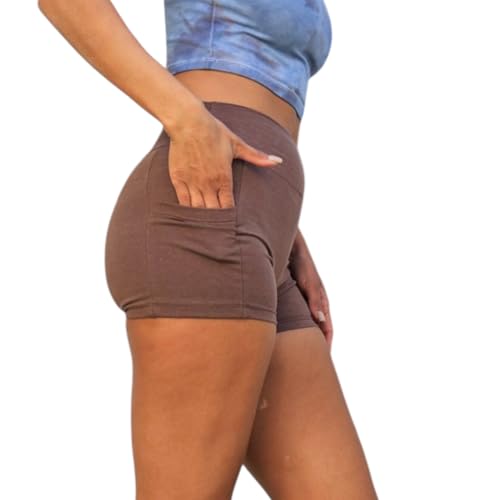

Factors to Consider
Prioritize Pure Hemp Blends Over 100% Hemp
Weight Matters: Choose Lightweight Hemp for Summer
Hemp fabric weight is measured in grams per square meter (GSM); for warm-weather yoga and meditation, aim for 150–200 GSM. Lighter weights dry faster after sweat, feel less clingy against skin, and won't trap heat during outdoor sessions or stationary meditation practice. Anything heavier than 250 GSM will feel appropriate for fall or layering, but it's overkill for summer and defeats the breathability advantage you're seeking.
Verify Construction and Seam Quality
Examine product photos or descriptions for flat-lock seams, reinforced hems, and double-stitching at stress points like waistbands and armholes—these details determine whether your piece lasts three seasons or ten. Hemp is naturally durable and gets softer with each wash, but poor construction ruins that benefit within months of regular use. Check return policies and reviews that mention longevity; genuine hemp pieces shouldn't pill, fray, or lose shape after 20+ washes.
Look for Natural Dyes and Low-Impact Finishes
Hemp's environmental advantage shrinks if it's dyed with synthetic azo dyes or treated with chemical finishes. Seek brands using plant-based dyes, low-impact dyes (OEKO-TEX Standard 100 certified), or undyed hemp in natural cream or gray tones. These finishes protect both your skin and the water systems affected during production, making your conscious purchase actually align with its intention.
Fit for Movement and Layering Flexibility
Hemp clothing has minimal stretch, so sizing up half a size often makes sense compared to synthetic activewear—you want room for deep forward folds and cross-legged sitting without restriction. Consider pieces that layer well: fitted hemp tanks over loose hemp shirts, or hemp joggers that work equally well for morning practice and afternoon errands. This versatility builds a practical, cohesive wardrobe and reduces the urge to buy more.
Frequently Asked Questions
Is hemp really more breathable than cotton for hot yoga?
Yes—hemp fibers are hollow and naturally thermoregulating, which means they move moisture away from skin faster than standard cotton. This makes hemp superior for maintaining comfort during outdoor summer practice, especially in humidity, though the difference is most noticeable in lightweight blends (150–200 GSM) rather than heavy pure hemp.
How often do I need to wash hemp yoga clothes?
Hemp is naturally antimicrobial, so it resists odor longer than synthetic blends and can go 2–3 wears between washes if you rinse it or spot-clean after sweat-heavy sessions. Washing in cool water and air-drying preserves fiber integrity and extends garment life; hemp actually softens and improves with each wash, unlike synthetics that degrade.
Will my hemp yoga gear shrink?
Quality hemp with GOTS certification is pre-shrunk during manufacturing, so controlled shrinkage is minimal (typically 2–5%). Always check the brand's care instructions and wash in cool water to avoid any additional shrinkage; when you follow guidelines, hemp pieces remain stable wash after wash.
What's the real environmental impact of hemp versus conventional cotton?
Hemp requires 50% less water than conventional cotton, uses virtually no pesticides, and regenerates soil rather than depleting it—making it genuinely lower-impact when organically grown. Conventional cotton, by contrast, accounts for roughly 16% of global pesticide use despite occupying only 2.5% of cultivated land, so the sustainability difference is significant and measurable.
Can hemp clothing work for both yoga and everyday wear?
Absolutely—this is hemp's strongest practical advantage. A well-fitted hemp tank or loose shirt transitions seamlessly from sunrise practice to weekend errands, reducing the "activewear only" mentality that drives overconsumption. Building a small wardrobe of hemp basics you actually wear daily is more sustainable than buying single-use yoga-specific pieces.
How do I care for hemp meditation cushions?
Hemp cushion covers are durable and washable; check if your cover is removable, then hand-wash or machine-wash on gentle in cool water. Air-dry completely before replacing on the cushion to prevent mildew, and occasional sunlight exposure naturally freshens the fabric without chemical deodorizers.
Is hemp yoga gear worth the price compared to synthetic alternatives?
Hemp costs more upfront but lasts 2–3 times longer than cheap synthetic activewear because it strengthens rather than weakens with age. You'll replace synthetic gear multiple times before your hemp pieces show real wear, making the per-wear cost lower and reducing textile waste in landfills—which directly aligns with a conscious lifestyle.
Conclusion
Choosing hemp for summer yoga and meditation practice is a straightforward decision when you prioritize breathability, durability, and actual environmental impact over marketing language. Start with one quality hemp piece—a lightweight tank or loose shirt—and notice how the natural fabric performs during your real sessions before building out a full wardrobe.
Quality hemp activewear rewards consistency; the more you wear and wash these pieces, the softer and more reliable they become, making them genuine long-term companions for your practice rather than disposable trend items.


