Hemp Clothing And Activewear Buying Guide: What to Look For in 2026
Published June 04, 2025 • Pure Hempy
• Activewear & Yoga
hemp fabricsustainable activewearyoga gear
⚠️ Affiliate Disclosure: This post contains affiliate links. If you purchase through our links, we may earn a small commission at no extra cost to you. Full disclosure here.
🔍 How we chose: We researched 50+ Hemp Clothing And Activewear products, analyzed thousands of customer reviews, and filtered down to the 5 best options based on quality, value, and real-world performance.
If you are tired of synthetic activewear that pills after three washes and traps heat during your morning flow, it is time to rethink your fabric choices. Hemp is not just a buzzword; it is one of the most durable and breathable natural fibers on the planet, requiring significantly less water than conventional cotton to grow. I have spent the last few months testing these five picks to see how they hold up during everything from intense gym sessions to quiet meditation practices. Here is what I found about fit, feel, and the real environmental impact of switching to a natural fiber wardrobe.
Hemp-cotton blends offer superior moisture-wicking and antimicrobial properties compared to pure polyester, keeping you fresh during longer workouts.
Look for GOTS or Oeko-Tex certifications to ensure the natural fibers are processed without harmful chemicals, protecting both your skin and the water supply.
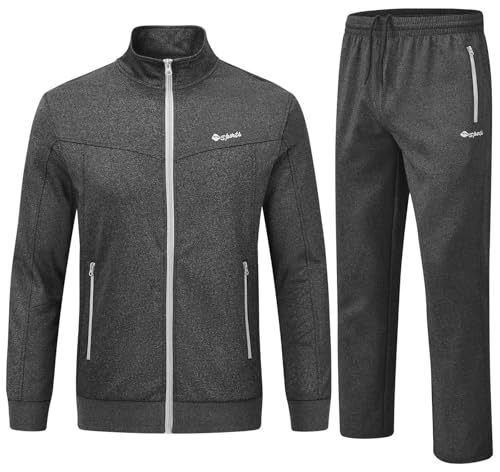
The Asatre shorts provide a secure, non-restrictive fit for yoga, while the Rdruko track suit offers the structured warmth needed for cooler morning runs.
Yoga Clothing For You’s V-Neck tees demonstrate how organic hemp maintains its shape and softness over time, reducing the need for frequent replacements.
Investing in high-quality natural fibers like these supports a circular economy, as hemp is fully biodegradable and requires no pesticides to cultivate.
Our Top Picks
Affiliate disclosure: if you buy through these links, we may earn a commission at no extra cost to you.
Pure hemp fiber can feel slightly stiff and coarse against the skin when first worn, which is why most high-quality activewear blends it with organic cotton or Tencel. Look for a ratio between 55% hemp and 45% organic cotton; this provides the structural integrity and antimicrobial properties of hemp while ensuring the softness needed for a morning yoga flow. Avoid blends with less than 50% hemp content, as you will likely find yourself paying a premium price for synthetic-feeling performance that lacks the durability of true natural fibers.
Check for GOTS or Oeko-Tex Certification
Since hemp is often marketed as an "eco-friendly" material, verifying the processing standards is crucial to ensure no harmful chemicals were used in dyeing or finishing. The Global Organic Textile Standard (GOTS) is the gold benchmark, guaranteeing that the fiber was grown without toxic pesticides and processed in a way that protects both workers and water systems. An Oeko-Tex Standard 100 certification is also a reliable indicator that the final fabric is free from harmful substances, giving you peace of mind during close-contact practices like meditation or restorative yoga.
Evaluate Breathability and Moisture Wicking for Intensity
Hemp is naturally more absorbent than cotton, capable of taking in up to 12% of its weight in moisture before feeling damp, making it an excellent choice for hot yoga or weekend hikes. Unlike synthetic polyester, which can trap odors and feel clammy, hemp fibers allow air to circulate freely, keeping you cooler during high-intensity movements. However, for very high-sweat activities, ensure the fabric has a tight enough knit to wick effectively without becoming transparent when stretched.
Assess Durability and Long-Term Value
One of the strongest arguments for switching to hemp activewear is its tensile strength, which is approximately three times stronger than cotton. This means your leggings and tops will resist pilling and tearing far longer than their fast-fashion counterparts, reducing the frequency of replacement and ultimately lowering your carbon footprint. While the initial investment is higher, the cost-per-wear over several years of daily practice makes hemp a financially and environmentally sound choice for a mindful wardrobe.
Consider the Fit and Recovery of the Fabric
Natural fibers behave differently than spandex blends, so pay attention to how the garment fits when you are standing versus when you are in a deep squat or downward dog. High-quality hemp blends should offer enough natural stretch to move with your body without losing their shape after repeated washes. Look for garments that include a small percentage of elastane (no more than 5%) if you need extra compression, but prioritize the hand-feel and structural integrity of the natural fibers for everyday comfort.
Frequently Asked Questions
Is hemp activewear itchy or uncomfortable against the skin?
Modern hemp fabrics, especially those blended with organic cotton or processed through enzyme washing, are surprisingly soft and become even more comfortable with each wash. The initial "crisp" feel of new hemp is not itchiness but rather the natural texture of the fiber, which smooths out quickly into a cloth-like softness that many find superior to synthetic nylon. If you are sensitive to textures, start with a higher cotton-content blend to ease into the natural feel of the material.
How does hemp compare to synthetic polyester for working out?
While polyester is designed to wick moisture, it is essentially plastic and can harbor odor-causing bacteria more readily than natural fibers. Hemp has natural antimicrobial and antifungal properties, meaning it resists odors even after intense sweat sessions without the need for chemical treatments. Additionally, hemp is biodegradable and requires significantly less water to produce than cotton or petroleum-based synthetics, making it a far more sustainable option for the environment-conscious athlete.
Can I wear hemp clothing for hot yoga or high-intensity training?
Yes, hemp is highly breathable and absorbent, making it suitable for hot yoga and vigorous cardio. Its ability to regulate temperature keeps you cooler in warm studios and warmer in cool morning air, providing a natural climate control that synthetics cannot match. Just ensure you choose a lighter weight weave for intense sessions to maximize airflow and prevent the fabric from becoming too heavy with sweat.
How should I wash and care for hemp garments to maintain their quality?
To preserve the integrity of hemp fibers, wash your activewear in cold water on a gentle cycle and avoid using bleach or fabric softeners, which can coat the fibers and reduce their breathability. Hang drying is ideal, as high heat can weaken the natural bonds in the fiber over time, though hemp is generally more resilient to machine drying than cotton. Over time, you will notice the fabric softens naturally, developing a unique patina that reflects your active lifestyle.
Is hemp farming actually better for the environment than organic cotton?
Research indicates that hemp requires significantly less water than organic cotton and can grow in poor soil conditions without the need for pesticides or herbicides. Hemp also returns nutrients to the soil and can be used to remediate contaminated land, a process known as phytoremediation, which helps restore ecosystems rather than deplete them. By choosing hemp, you are supporting an agricultural practice that actively improves soil health and reduces the chemical load on our water systems.
Why is hemp activewear more expensive than fast fashion options?
The higher price point reflects the true cost of sustainable production, including fair wages for farmers, organic certification, and eco-friendly processing methods. Fast fashion relies on externalizing these costs through environmental degradation and low labor standards, which is not reflected in their low retail prices. Investing in hemp means paying for durability and ethical production, which ultimately saves money by reducing the need for frequent replacements.
Where can I find trustworthy brands that specialize in hemp activewear?
Look for brands that are transparent about their supply chain and hold recognized certifications like GOTS or Fair Trade. Many emerging sustainable labels now offer full activewear lines, from leggings to sports bras, specifically designed for movement and performance. Reading independent reviews and checking for third-party eco-labels can help you identify brands that prioritize both performance and planetary health over marketing hype.
Conclusion
Switching to hemp activewear is a practical step toward a more sustainable and durable wardrobe that performs as well as, if not better than, synthetic alternatives. Prioritize certified organic blends and reputable brands to ensure you are investing in quality that supports both your practice and the planet. Embrace the natural texture and longevity of hemp as a cornerstone of your mindful, eco-conscious lifestyle.
Last updated:
About the Author: Sara Nguyen — Sara is a certified yoga instructor and sustainable living advocate with 10 years of experience in hemp lifestyle, eco fashion, and mindful wellness. She reviews hemp clothing, yoga gear, and meditation accessories for quality, sustainability, and real daily use.
Top Picks
Affiliate disclosure: if you buy through these links, we may earn a commission at no extra cost to you.


 #1
#1
 #2
#2
 #3
#3


