

Hemp 4th July Tees
🏆 Top Picks at a Glance
 #1
#1
Best Overall
Smartwool Merino Hemp Blend Short Sleeve Pocket Tee - Men's Black Heather Extra Large
$70.0
Check Price →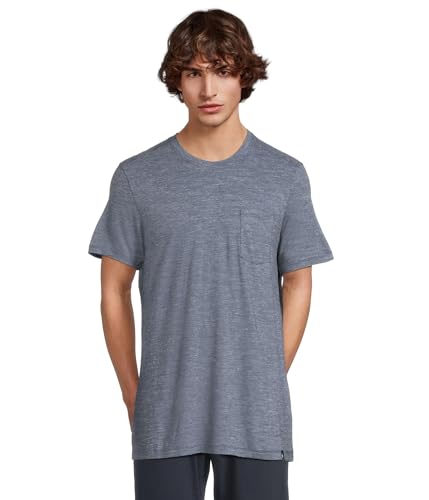 #2
#2
Runner Up
Smartwool Merino Hemp Blend Short Sleeve Pocket Tee - Men's Nightfall Blue Heather Large
$70.0
Check Price →
#3
Best Value
Smartwool Merino Hemp Blend Short Sleeve Pocket Tee - Men's Black Heather Large
$70.0
Check Price →Our Top Picks
Affiliate disclosure: if you buy through these links, we may earn a commission at no extra cost to you.
Factors to Consider
Fabric composition, weight, and blends
⚡ Quick Answer
Hemp tees blend well with organic cotton or a touch of elastane for stretch, giving a comfortable hand and freedom of movement in yoga. Most tees land in the 160-210 gsm range; pure hemp can be stiffer out of the dryer and softens with wear. For durability and wash life, choose long-staple hemp with a tight weave and, if possible, a garment-washed or pre-shrunk finish. Sustainability note: Hemp generally uses far less water and pesticides than conventional cotton, and organic hemp farming supports healthier soils.
Table of Contents
Fit, movement, and drape
Hemp fibers offer natural structure and breathability, so tees tend to drape without feeling clingy during morning flows. If you move through wide-legged stances or twists, look for athletic cuts or a touch of stretch to maintain shape through poses. Hemp also softens with wear and washing, but choose a cut that minimizes bunching at the hips for comfortable downtime and meditation work. Sustainability note: Hemp’s durability translates to longer wardrobe life, reducing replacement cycles and waste in an eco-conscious closet.
Construction, durability, and care
Look for reinforced seams, double-needle hems, and flatlock stitching in high-movement zones to minimize chafing during yoga flows. Prefer pre-shrunk or garment-washed finishes to curb shrinkage, and air-dry hemp tees to preserve fit and color; avoid high heat in the dryer. Expect colorfast dyes and sturdy surfaces from well-made blends, though darker tones may fade with repeated washings. Sustainability note: Hemp fibers typically require less processing energy in finishing, and the longer lifespan of quality hemp tees helps reduce textile waste over time.
Sourcing, certifications, and ethical considerations
Seek organic hemp and third-party certifications such as GOTS, Bluesign, OEKO-TEX Standard 100, or Fair Labor Association to verify safety and transparency. Look for brands that publish supply-chain data or independent audits, ensuring chemical controls align with your standards. Choosing smaller-batch or locally produced tees can cut transport emissions and support regenerative farming networks. Sustainability note: Organic hemp farming typically reduces chemical inputs and supports soil health, aligning with a mindful wardrobe.
Frequently Asked Questions
Are hemp tees good for workouts and hot yoga?
Yes. Hemp fibers offer breathability and moisture management that help keep you comfortable through warm sessions. In practice, hemp blends with cotton or other fibers can enhance stretch and recovery without sacrificing airflow, making them a solid choice for movement-based routines.
Do hemp tees shrink after washing?
Hemp can shrink a bit if exposed to high heat, especially in untreated or unrinsed finishes. Choosing pre-shrunk or garment-washed tees and air-drying rather than machine-drying minimizes shrinkage and preserves fit over time.
How should I care for hemp tees?
Wash cold on a gentle cycle with a mild detergent, and line dry when possible to maintain shape and color. If you do use a dryer, opt for a low heat setting and remove promptly to reduce wrinkles and potential shrinkage.
Are hemp tees more expensive than cotton or synthetic tees?
Often the upfront price is higher, reflecting the farming and processing of hemp. However, the durability and longer wear life of quality hemp tees can translate to fewer replacements, making them a strong long-term value for a mindful wardrobe.
What certifications should I look for?
Look for organic hemp, and third-party certifications such as GOTS, Bluesign, OEKO-TEX Standard 100, or Fair Labor Association to verify safe chemicals and ethical production practices. These credentials help ensure a lower-impact, transparent supply chain.
Is hemp more sustainable than cotton or synthetics?
On average, hemp uses significantly less water than conventional cotton (estimates range from 700–1,200 L/kg for hemp vs. around 2,700 L/kg for cotton) and often requires fewer pesticides. When combined with responsible farming and processing, hemp textiles can offer a lower environmental footprint and longer lasting garments.
How can I tell if a tee is 100% hemp or a blend?
Check the care label for fiber content; blends will list percentages like “80% hemp / 20% cotton.” If it’s not labeled, reach out to the brand or review a product page to confirm the exact composition and intended fabric performance.


