

Best Yoga Blocks And Props For Beginners
🏆 Top Picks at a Glance
 #1
#1
Best Overall
Manduka Yoga Cork Block - Yoga Prop and Accessory, Good for Travel, Comfortable Edges, Lightweight, Extra Firm Cork, 4" x 6" x 9" (10 x 15 x 22.5 cm)
$26.0
Check Price →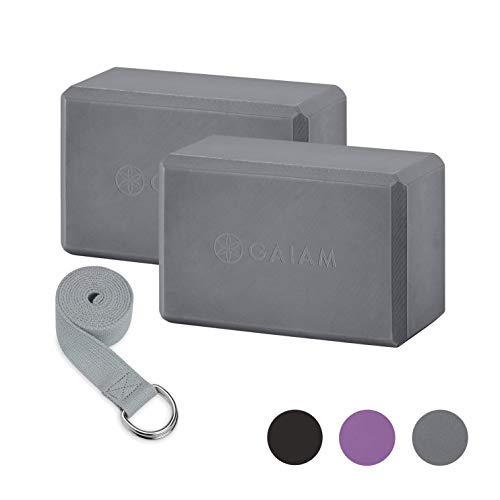 #2
#2
Runner Up
Gaiam Yoga Block & Yoga Strap Combo Set - Yoga Block with Strap, Pilates & Yoga Props to Help Extend & Deepen Stretches, Yoga Kit for Stability, Balance & Optimal Alignment, 2
$18.99
Check Price → #3
#3
Best Value
Gaiam Essentials Yoga Block 2 Pack & Yoga Strap Set, Deep Purple, 9"W x 6"H x 4"D
$18.99
Check Price →Our Top Picks
Affiliate disclosure: if you buy through these links, we may earn a commission at no extra cost to you.
Factors to Consider
Material choices and eco-sourcing
⚡ Quick Answer
Start with cork or natural latex cores for a stable, non-slip base. Cork blocks are durable, moisture-resistant, and grip better as they break in. Look for FSC-certified cork and fabric covers with OEKO-TEX Standard 100 or GOTS certification to ensure a lower chemical load. Sustainability note: Cork is renewable and biodegradable; FSC certification helps ensure forests are managed responsibly, and hemp or organic cotton covers reduce reliance on synthetics.
Table of Contents
Size, shape, and support
Choose a standard block size to start: 9 x 6 x 3 inches is the common beginner option. If you’re tall or need more height in forward bends, a 4-inch block offers extra support without destabilizing you. Look for rounded edges for comfortable transitions and consider two blocks stacked for additional height when needed. Sustainability note: Cork is naturally renewable, and removable hemp or organic cotton covers extend life and make cleaning easier, reducing waste.
Comfort, grip, and fabric finishes
Grip matters as you move from cat-cow to balance poses; cork blocks with their natural texture stay grippy even as your hands get a little sweaty, and a hemp or organic cotton cover adds a soft, tactile surface. A removable, washable cover makes daily cleaning easy and helps maintain that grip over time. If a block uses latex, choose a breathable fabric cover to prevent slipping and keep airflow around the material. Sustainability note: Hemp covers offer durability with fewer synthetic fibers, and OEKO-TEX certified fabrics reduce chemical exposure during wear and wash.
Durability, maintenance, and care
Cork is inherently durable and forgiving if accidentally dropped; dense latex cores resist compression and stay supportive longer than bargain foam. Clean with a damp cloth and avoid soaking; if the cover is removable, machine wash cold and air dry. Store blocks away from direct sunlight to prevent drying or fading of natural materials. Sustainability note: Choosing durable, repairable blocks with removable covers reduces waste, especially when the fabrics use hemp or organic cotton and carry OEKO-TEX ratings.
Certifications, ethics, and warranty
Look for certifications that verify responsible sourcing and safer manufacturing—FSC for cork and OEKO-TEX Standard 100 for fabrics. A solid warranty (2–5 years) signals durable construction you can rely on as you progress in your practice. If you’re building a cohesive eco-kit, consider brands that pair blocks with hemp straps or cushions made from organic fibers, maintaining a consistent sustainability standard. Sustainability note: FSC-certified cork and hemp-covered fabrics reduce environmental impact by emphasizing renewable resources and lower chemical and water use in production.
Frequently Asked Questions
How high should yoga blocks be for beginners?
For most beginners, a standard 3-inch block provides enough lift for floor-based poses without over-relying on support. If you need more height in forward bends or your shoulders are tight, a 4-inch block is a simple upgrade. Use a second block or a stack to customize height as your flexibility evolves.
What material makes the most eco-friendly yoga block?
Cork is typically the most eco-friendly option because it’s renewable, harvestable without cutting trees, and often FSC-certified. Look for natural latex cores with organic fabric covers or hemp/organic cotton fabrics with OEKO-TEX or GOTS certification. Avoid low-density synthetic foams that contribute to microplastic waste and off-gassing.
Are cork blocks better than foam blocks?
Cork blocks generally offer better grip and durability and resist moisture, which keeps them from slipping mid-practice. Foam blocks are lighter and cheaper but can compress over time and may give less stability for deeper poses. If sustainability matters, cork is the wiser choice for long-term use.
Can I substitute a rolled towel or blanket for a block?
You can substitute for certain poses, especially on the go, but a block provides consistent height and edge stability that a towel can’t match. For a substitute, stack a folded towel with a strap for limited use, and avoid relying on it for balance-heavy flows. Reserve blocks for main practice and use towels for added softness in restorative work.
How do I clean and care for yoga blocks?
Wipe cork blocks with a damp cloth and mild soap; avoid soaking. If the cover is removable, launder cold and air dry, then reassemble once completely dry. Regular care helps maintain grip and extends the life of fabric covers, especially those made with hemp or organic cotton.
How many blocks do I actually need for a beginner setup?
Most beginners start with one block to support standing poses and balance; two blocks are helpful for taller practitioners or when practicing chest-openers and heart-openers that require more elevation. Having a second block also makes it easy to substitute a mini-bolster for seated forward folds. You can expand later as your practice deepens.
Conclusion
Starting with a well-made cork block or hemp-covered option sets you up for steady progress and comfort. Pair it with a strap and a mindful routine to build a small, sustainable kit that lasts. Choose pieces you genuinely enjoy using, and they’ll become timeless allies in your practice.


