

Best Hemp Sunglasses for Summer Hiking
Our Top Picks
Affiliate disclosure: if you buy through these links, we may earn a commission at no extra cost to you.

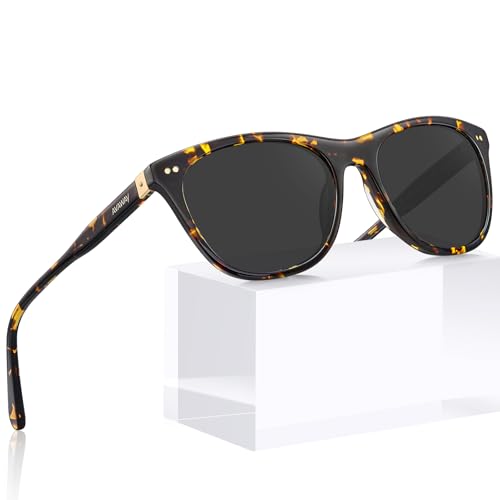
Factors to Consider
Frame material and build quality
⚡ Quick Answer
For morning yoga at home and weekend hikes, frame durability and a light but secure feel matter more than fashion. Hemp-based frames offer natural stiffness and resilience, especially when paired with reinforced hinges and metal hardware to handle repeated movement. Look for options that blend hemp with recycled or bio-based acetates and robust temple tips to reduce flex and wear over time. A snug but comfortable fit around the nose bridge keeps glasses in place during twists, bends, and uneven terrain.
Table of Contents
Sustainability note: Hemp fibers generally require fewer pesticides and less irrigation than conventional crops, lowering environmental impact. Favor frames that combine hemp with recycled materials or low-toxicity finishes to maximize eco benefits.
Lens technology and UV protection
Choose lenses with UV400 protection to block nearly all UVA and UVB rays, safeguarding eyes during bright hikes and sunlit yoga sessions. Polarized lenses are particularly valuable on reflective surfaces like water, rocks, or snow, reducing glare and improving clarity for navigation. Consider lens colors that enhance contrast (amber/brown) or true color (gray) and ensure a scratch-resistant coating for rugged outdoor use. If your practice occurs in variable light, photochromic options can adapt without swapping eyewear.
Sustainability note: Lenses built from impact-resistant materials like polycarbonate are less prone to shattering in outdoor activities and may extend lifespan. Whenever possible, choose brands that offer lens recycling or take-back programs to minimize end-of-life waste.
Fit, comfort, and movement
Active wear demands a secure fit that stays put through sun salutations and easy terrain changes. Seek frames with a balanced weight, a well-shaped nose bridge, and temple tips that stay grippy without pinching during motion. A wraparound or semi-wrap design can help shield your eyes from wind, dust, and glare while you flow or hike. If you wear hats or headbands, verify compatibility and clearance with the helmet or cap you use on trails.
Sustainability note: Durable, repair-friendly designs reduce waste; prioritize brands that offer spare parts (screws, nose pads) and robust hinges, and opt for minimal, recyclable packaging.
Care, durability, and warranty
Maintenance is simple: wipe with a microfiber cloth and mild soap, and store in a soft case away from heat to prevent warping. Check the hinge construction and ensure replacement parts are readily available should a screw loosen or a pad wear down. A solid 1–2 year warranty signals confidence in outdoor-ready build quality and long-term usability.
Sustainability note: Choosing a brand with good repair options and durable construction minimizes waste and extends product life; look for take-back programs and recycled-content packaging to boost the eco impact.
Frequently Asked Questions
Are hemp frames durable enough for daily use and outdoor activities?
Yes. Hemp fibers offer high tensile strength and natural stiffness, contributing to rugged frame durability suitable for hiking and dynamic movement. For best results, choose frames with reinforced hinges and secure temple tips to withstand repeated flexing.
Are the lenses UV-protective and polarized?
Most quality hemp sunglasses include UV-protective lenses (UV400) that block the majority of UVA/UVB rays. Polarized lenses are common for outdoor use, reducing glare from water, snow, and glassy surfaces and improving comfort and visibility on trails.
How do I choose the right size and fit for my face?
Consider your facial width and facial geometry; some brands offer small/medium/large sizing and adjustable nose pads. A frame should sit evenly on the nose without pinching and should stay in place during light cardio or technical terrain.
How should I care for hemp sunglasses to maximize their life?
Clean with a microfiber cloth and mild soap, then dry thoroughly; avoid harsh solvents that can damage finishes. Store in a protective case and avoid leaving glasses in hot cars or direct sun for extended periods to prevent warping.
Are hemp sunglasses more sustainable than plastic frames?
Hemp is a renewable crop that typically uses less water and fewer pesticides than cotton, contributing to a lower environmental footprint in many regions. The overall sustainability depends on the full lifecycle, including manufacturing, finishes, and end-of-life disposal.
Do hemp sunglasses come with warranties or repair options?
Many brands offer 1–2 year warranties and provide spare parts like screws and nose pads. If you expect rugged outdoor use, verify the availability of repair services or replacement parts before purchasing.
Can I recycle or dispose of old hemp sunglasses?
Some brands run take-back or recycling programs for frames and lenses; recycling options vary by material and region. Check local e-waste or eyewear recycling programs to determine the best end-of-life path for your pair.
Conclusion
Hemp sunglasses deliver a practical, durable option for summer hiking and mindful movement, with UV-protective, often polarized lenses and sturdy hemp-based frames. They support an eco-conscious active wardrobe without compromising performance; for a balanced pick, prioritize a lightweight hemp frame, polarized UV400 lenses, and reinforced hinges that stand up to daily practice and trail miles.


