

Best Eco Friendly Yoga Gear For Beginners
🏆 Top Picks at a Glance
 #1
#1
Best Overall
Manduka eKOLite Long Yoga Mat 79" - 4mm | Natural Rubber | Eco-Friendly | Soft Textured Surface | Natural Next-to-Skin Feel | 79 x 24 inches | Charcoal
$98.0
Check Price → #2
#2
Runner Up
HAPBEAR Extra Large Yoga Mat - 72"x48"x6mm (1/4 inch), Non-Slip, Durable, Eco-Friendly, Thick Wide Exercise Mat for Home Workouts, Yoga, Pilates, Stretching, Meditation (Barefoot Exercise)
$49.98
Check Price →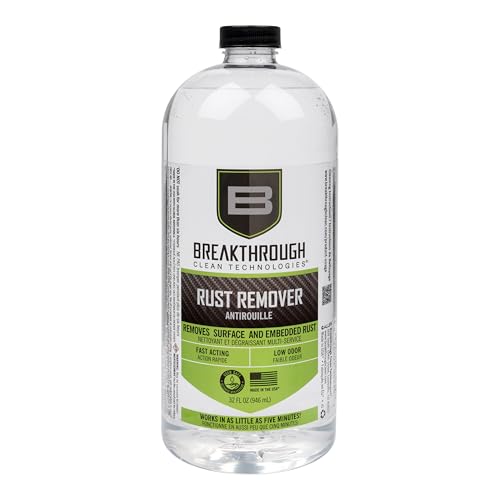 #3
#3
Best Value
Breakthrough Clean Rust Remover 32 oz Can Eco Friendly Suitable For Firearms
$54.5
Check Price →Our Top Picks
Affiliate disclosure: if you buy through these links, we may earn a commission at no extra cost to you.
Factors to Consider
Fabric & fiber content: choose hemp-forward blends
⚡ Quick Answer
Hemp is naturally breathable, abrasion-resistant, and gets softer with each wash, so look for pieces that list hemp or “hemp blend” high in the fiber content rather than as a token percentage. Blends with organic cotton or TENCEL/lyocell improve drape and softness, while a small amount (6–12%) of recycled elastane gives the stretch and recovery most yoga poses require. Check for certifications like GOTS or OEKO‑TEX to avoid chemical finishes that undermine natural-fiber benefits. For morning yoga at home or layered meditation wear, a heavier hemp-knit top gives warmth without trapping sweat.
Table of Contents
Stretch, fit & construction for movement
Fit matters more than brand — choose high-rise waistbands for flows and inversions, gussets in leggings to prevent seam pull, and flatlock seams to avoid chafing during long holds. “Four-way” mechanical stretch described on product pages usually indicates better mobility; if the garment includes elastane, prefer recycled elastane for performance with lower eco cost. Pay attention to length (crop vs full-length) and whether the brand offers size-inclusive cuts; a snug-but-not-restrictive fit supports breathwork and transitions. For weekend hikes that include a yoga break, a slightly roomier top layers comfortably over your practice bra without restricting arm lifts.
Mats & grips: natural rubber, cork, and jute options
Natural rubber mats provide sticky grip and durable cushioning — 3–5 mm is ideal for studio classes and travel, while 5–6 mm gives extra joint protection at home. Cork mats are grippy when damp, antimicrobial, and pair well with a natural rubber backing, and jute-blend mats are lightweight and biodegradable but less cushioned. Avoid PVC and look for certifications or third-party tests for heavy metals and VOCs; some manufacturers list natural rubber percentage and NO PVC explicitly. If you sweat a lot, test a cork or rubber mat with a short practice — cork usually improves tackiness as it gets damp from perspiration.
Meditation cushions & props: fill matters more than cover
For zafus, buckwheat hulls conform to your sit and offer long-term support — they’re heavier but adjustable and breathable, making them ideal for daily seated meditation. Kapok is lighter and loftier but compresses faster, and organic cotton batting is a middle ground for firmer support; choose covers in hemp or organic cotton with a removable zipper for washing. For props, cork blocks and cotton-strap bolsters hold up far longer than low-density foams and are easier to recycle or compost at end of life. If you alternate meditation and restorative yoga, a higher zafu (5–7 inches) with buckwheat gives a comfortable tilt for longer sits.
Care, durability & ethical manufacturing
Hemp garments strengthen with gentle washing: cold water, mild detergent, and line-dry to preserve fiber integrity and color; avoid frequent hot washes that stress any elastane. Inspect seam reinforcement, double-stitched waistbands, and brand repair policies — a single reinforced seam reduces microplastic-generating breakdown and extends garment life. Look for transparent sourcing claims and certifications (GOTS, Fair Trade, Global Recycled Standard) to ensure lower-impact production and fair labor. Investing in durable hemp pieces reduces the need to replace practice wear seasonally and cuts fast-fashion waste.
Sustainability note: Choosing high-percentage hemp blends with certifications such as GOTS or OEKO‑TEX reduces chemical inputs and water use compared with conventional cotton, and long-lasting construction minimizes wardrobe turnover and textile waste.
Frequently Asked Questions
Are hemp yoga clothes stretchy enough for active flow classes?
Hemp on its own isn’t as elastic as synthetic knits, so look for hemp blends that include 6–12% recycled elastane or mechanical four-way knit constructions for reliable stretch and recovery. Many brands balance hemp’s durability and breathability with a small percentage of elastane so leggings and tops move with you during dynamic sequences.
How should I care for hemp yoga wear to make it last?
Wash hemp garments in cold water with a gentle detergent, zip zippers and turn items inside out, then line-dry to avoid heat damage and preserve fiber strength. Hemp softens with use, so resist frequent hot washes and tumble drying which accelerate wear and can break down any elastane content.
Which yoga mat material is best if I want something biodegradable?
Natural rubber and cork mats are the most biodegradable mainstream options — cork provides antimicrobial properties and breathability, while natural rubber gives strong grip and cushioning. Check product transparency for natural-rubber content and avoid PVC; remember that fully biodegradable disposal still depends on local waste systems.
Is a buckwheat-filled zafu better than kapok for meditation?
Buckwheat hulls offer firm, adjustable support that molds to your posture and lasts for years, making them ideal for daily meditation and longer sits. Kapok is lighter and softer but compresses sooner; choose kapok if portability and lightness are priorities, and buckwheat if sustained ergonomic support matters most.
Can hemp activewear handle hot yoga and heavy sweating?
Hemp breathes and wicks moisture reasonably well while resisting odors naturally, so it can work for hot yoga if paired with a breathable construction and a sweat-wicking lining or blend. For very intense, sweaty sessions, look for hybrid pieces that combine hemp with TENCEL or recycled polyester panels in high-sweat zones to speed drying while keeping most of the garment natural.
What should I look for to ensure ethical production and low chemical use?
Search for third-party certifications like GOTS, OEKO‑TEX, and Fair Trade, plus transparent supply-chain information and factory audits on the brand’s site. Certifications confirm reduced chemical inputs and fair labor practices, and brands that publish fiber sources and factory locations are often more accountable.
Do hemp mats and cork blocks hold up over time compared to foam?
Yes — cork blocks and natural rubber mats are denser and resist compression better than low-density EVA foam, so they maintain shape and grip longer under regular practice. They may cost more up front but often outlast cheap foam options, lowering long-term replacement and waste.
Sustainability note: Choosing certified hemp textiles and natural-material mats reduces reliance on petroleum-based products and lowers long-term waste because these materials are durable and more easily composted or recycled.
Conclusion
For beginners building a mindful, functional yoga kit, prioritize hemp-forward clothing blends, natural-rubber or cork mats, and buckwheat-filled cushions — these options balance comfort, durability, and low environmental impact. Start with a well-fitting hemp-legging (with a small recycled-elastane percentage), a 3–5 mm natural rubber mat, and a buckwheat zafu to cover daily practice, home flows, and meditation sits.
Sustainability note: Investing in certified hemp pieces and natural-material props reduces chemical exposure and textile turnover, helping you move away from fast fashion toward a durable, mindful wardrobe.


